

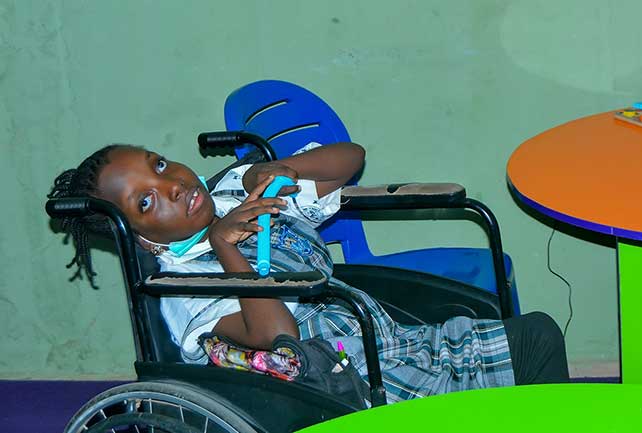
Autism Spectrum Disorder (ASD)
Autism, also known as Autism Spectrum Disorder (ASD), is a neurological and developmental disorder that affects communication, social interaction, and behavior. It is characterized by difficulties in: Social interaction and communication, verbal and nonverbal communication, repetitive behaviors and interest.
Autism is a spectrum disorders meaning it affects individuals differently.
The signs and symptoms of autism can vary widely, but may include: Delayed or absent language development, difficulty initiating or maintaining conversations, difficulty understanding tone of voice, sarcasm, and idioms, repetitive behaviors, such as hand flapping or body rocking, sensory sensitivities or difficulties with sensory integration.
While the exact causes of autism are still not fully understood, research suggests that it is a complex interplay of genetic, environmental, and neurological factors.
Autism can be diagnosed as early as 18 months, and early diagnosis is critical for effective intervention.
Treatment for autism typically involves a multidisciplinary approach, including: Applied Behavior Analysis (ABA) therapy, occupational therapy, speech therapy, medications to manage symptoms, educational and behavioral interventions.
In conclusion, in this month of April, let's remember that autism is a complex and multifaceted disorder that affects individuals and families worldwide. By promoting autism awareness, acceptance, and inclusion, we can create a more supportive and inclusive society for all. Let's work together to break down barriers and build a brighter future for individuals with autism.
Autism is a spectrum disorders meaning it affects individuals differently.
The signs and symptoms of autism can vary widely, but may include: Delayed or absent language development, difficulty initiating or maintaining conversations, difficulty understanding tone of voice, sarcasm, and idioms, repetitive behaviors, such as hand flapping or body rocking, sensory sensitivities or difficulties with sensory integration.
While the exact causes of autism are still not fully understood, research suggests that it is a complex interplay of genetic, environmental, and neurological factors.
Autism can be diagnosed as early as 18 months, and early diagnosis is critical for effective intervention.
Treatment for autism typically involves a multidisciplinary approach, including: Applied Behavior Analysis (ABA) therapy, occupational therapy, speech therapy, medications to manage symptoms, educational and behavioral interventions.
In conclusion, in this month of April, let's remember that autism is a complex and multifaceted disorder that affects individuals and families worldwide. By promoting autism awareness, acceptance, and inclusion, we can create a more supportive and inclusive society for all. Let's work together to break down barriers and build a brighter future for individuals with autism.